Approach
Creative Direction as a Practice
My practice connects understanding the brief with directing the work. I establish a clear idea, give teams criteria for developing it, and guide decisions as the project moves across disciplines and into delivery. Five practices shape that process.
01
Read the Context
Understand people, culture, client ambition, and constraints before defining form.
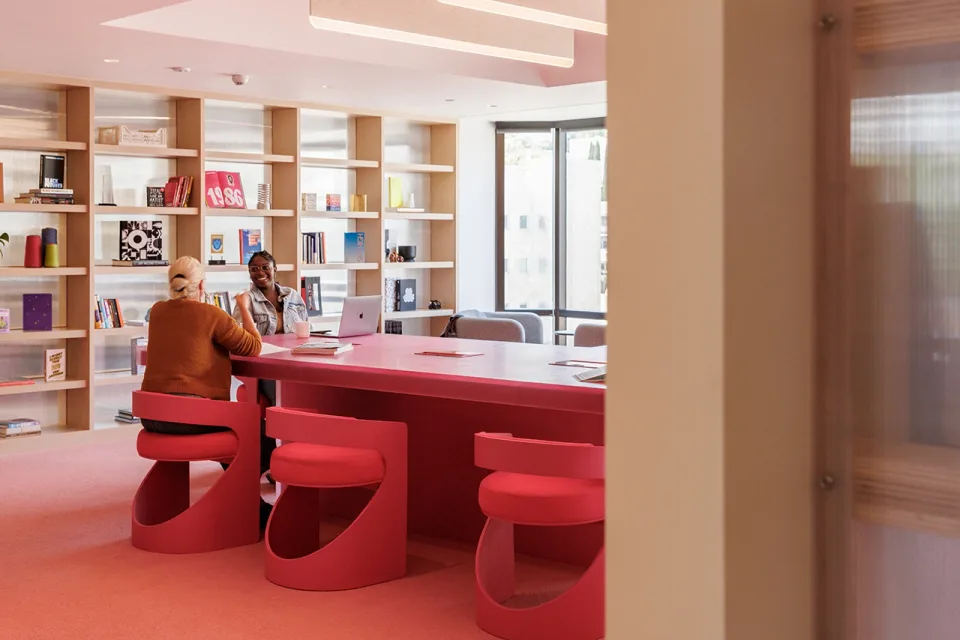
- Cultural discovery identified different ways people connect, giving the workplace a basis in behavior.Tinder HQ, 8800 Sunset
- For TurboTax, the experience of receiving help became a basis for design decisions: a visible welcome, thoughtful intake and protected conversations.Intuit TurboTax Retail and Flagship
02
Define the Direction
Establish a clear idea and decision criteria strong enough to guide or reject options.
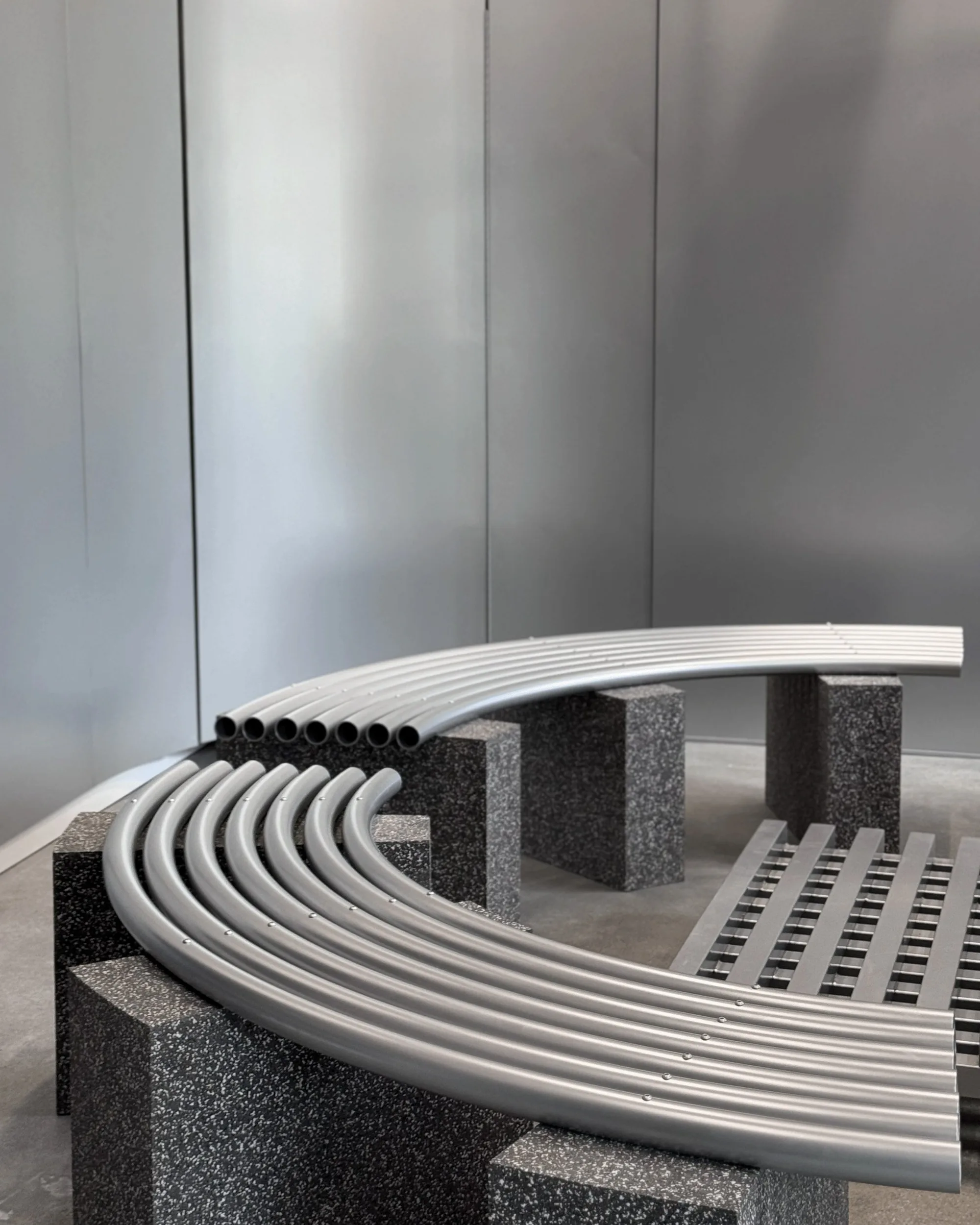
- Five schemes were synthesized around shared criteria for curation, craft and expertise, and transparency.LSD Running
- Distinct positions connected the property to neighborhood life, tenant hospitality or retail activity, giving the client alternatives to evaluate.Watt Plaza
03
Connect the Scales
Translate the idea across architecture, interior environments, brand, behavior, and detail.
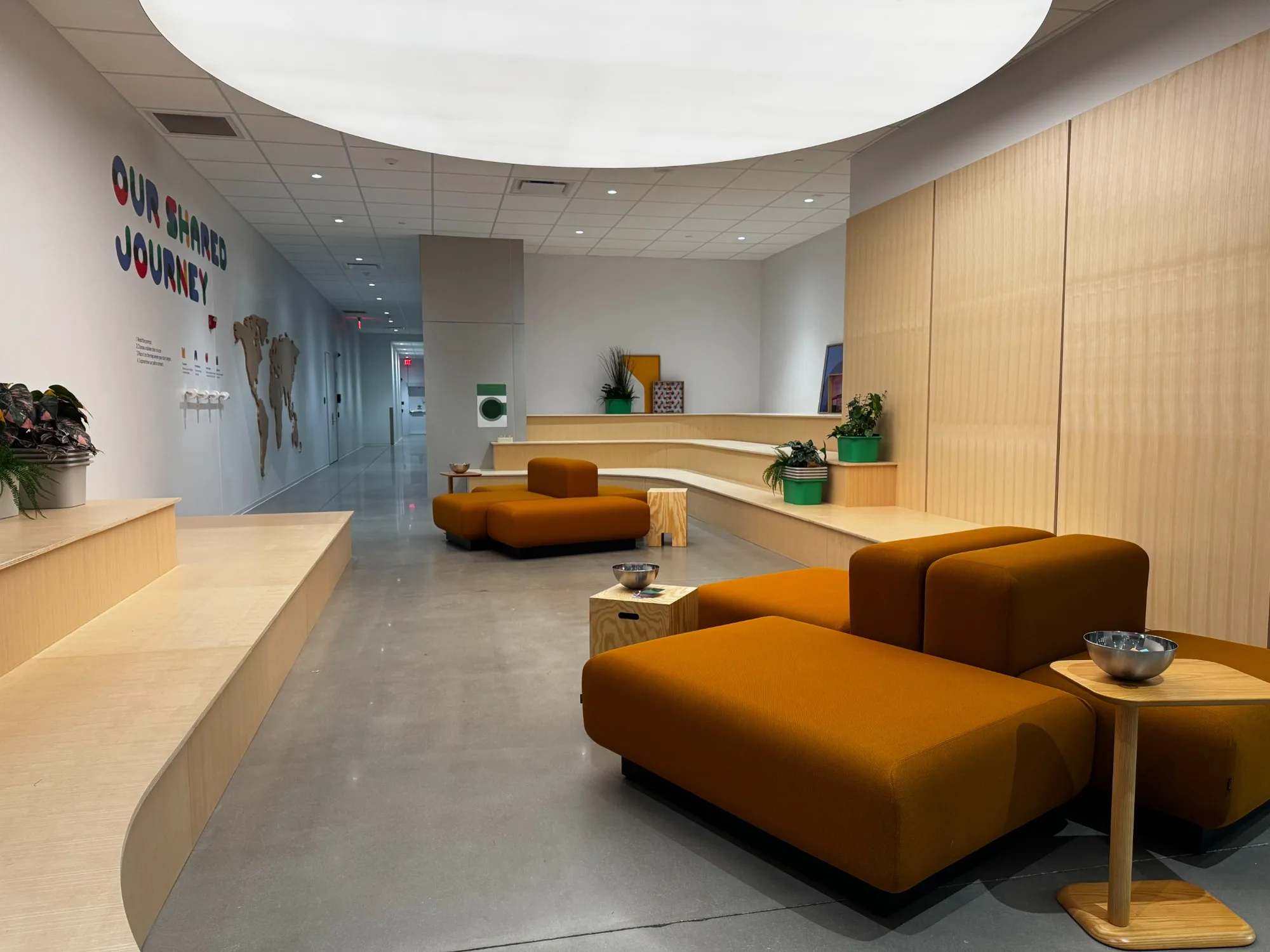
- One direction connects recruitment messaging, continued education, GSO's first learning space, and tools for operators and facilitators.Google GSO
- Naming, architecture and program shape a visitor sequence from audience to participant.Google Room 98
04
Guide the Team
Give specialists shared criteria and room to contribute.
Shared criteria give people the confidence and responsibility to make good decisions together.
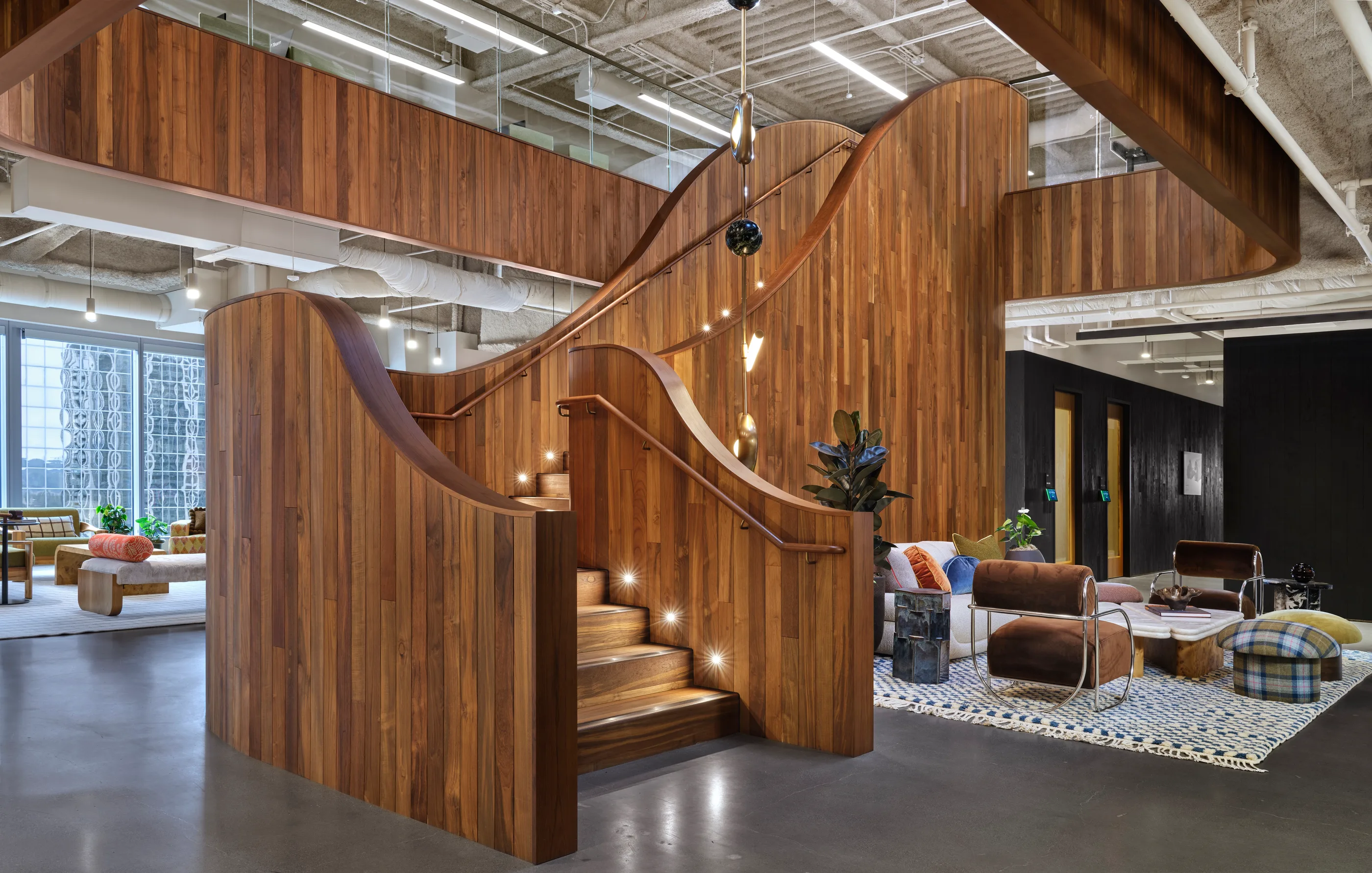
- Shared hospitality criteria guided the team's response to client feedback while giving Bellevue and Tokyo distinct local expressions.OpenAI, Bellevue and Tokyo
- Sketches and critique guided the NY and LA teams as a shared Weave workflow supported exploration.Watt Plaza
05
Protect the Intent
Navigate delivery pressures without losing the defining creative idea.
A strong direction gives the team a basis for adapting to budget, schedule and technical constraints while preserving the intended experience.
- When work became distributed, I led a redesign around team working styles while keeping connection as the organizing idea.Tinder HQ, 8800 Sunset
- A coastal direction guided materials, furnishings and indoor-outdoor relationships through development and construction.Kilroy Oyster Point
Tools
AI and design judgment
I use AI-assisted visualization to explore alternatives and make early choices easier to discuss. The value lies in the design judgment around it: defining the question, selecting references, evaluating outputs, and translating promising directions into work the team can test and develop.
The four lenses
Fields of application
Five creative practices guide how I work. These four fields describe where that practice takes form, connecting organizational ambition with places, interactions and brand expression.
Culture & Strategy
Define the purpose, audience, and ambition.
What context, audience, or ambition gives the work meaning?
Architecture & Place
Connect the idea to its setting.
How does the idea shape a setting and its relationship to its surroundings?
Interiors & Experience
Design for how people meet, move, work, and feel.
How does the environment influence what people do and feel?
Brand & Expression
Make the idea recognizable in everyday encounters.
How does identity become recognizable in lived experience?